A Confident Man Offered $1,000 to Anyone Who Could Take Him Down, But the Crowd Went Silent When an Old Marine Lifted His Cane
Part 43
All parts
Choose a chapter- 1Part 1
- 2Part 2
- 3Part 3♙
- 4Part 4
- 5Part 5
- 6Part 6♙
- 7Part 7
- 8Part 8
- 9Part 9♙
- 10Part 10
- 11Part 11
- 12Part 12♙
- 13Part 13
- 14Part 14
- 15Part 15♙
- 16Part 16
- 17Part 17
- 18Part 18♙
- 19Part 19
- 20Part 20
- 21Part 21♙
- 22Part 22
- 23Part 23
- 24Part 24♙
- 25Part 25
- 26Part 26
- 27Part 27♙
- 28Part 28
- 29Part 29
- 30Part 30♙
- 31Part 31
- 32Part 32
- 33Part 33♙
- 34Part 34
- 35Part 35
- 36Part 36♙
- 37Part 37
- 38Part 38
- 39Part 39♙
- 40Part 40
- 41Part 41
- 42Part 42♙
- 43Part 43
- 44Part 44
- 45Part 45♙
- 46Part 46
- 47Part 47
- 48Part 48♙
- 49Part 49
Part 43 / 49
The room applauded politely. George felt his throat tighten. He had heard adults give speeches about resilience that contained less wisdom than his daughter’s two sentences.
On the way home, Sadie worried that her presentation had been too short.
“It wasn’t,” he said.
“I forgot the part about the triangular supports.”
“You explained the important thing.”
“What was that?”
He glanced at her in the passenger seat. “That you don’t have to hold a whole bridge up by yourself.”
She looked pleased. Then she asked whether they could have pancakes for dinner.
He agreed immediately. Some decisions did not require a meeting.
Chapter Thirty-Nine: The Appointment Nobody Could Win
The orthopedic follow-up came in June, just as the heat began settling over Oak Haven again.
George sat in a room decorated with diagrams of joints and muscles while a specialist reviewed imaging, therapy notes, and his history. The physician acknowledged the progress he had made. His swelling had improved, he was moving more safely, and his daily pain was more manageable. But the underlying damage had not disappeared. There were limits to what therapy could restore.
“You may eventually need additional surgical evaluation,” the specialist said. “Not because you’ve failed to work hard enough. Because the joint was badly damaged long ago, and that matters.”
George looked at the floor. He had hoped for a more decisive victory. A statement that the worst was over. A clean diagnosis with a finish line.
Instead he received a plan: continue appropriate exercise, manage pain under medical guidance, monitor symptoms, discuss options if function declined, and avoid unnecessary impacts. It was not a punishment. It was a description of his life as it currently was.
“Can I keep working?” he asked.
“At the duties you’ve described, with accommodations as needed, that seems reasonable. Keep your treating team informed if your symptoms change. Heavy lifting is not a good idea.”
George nodded. He knew. He had known before entering the cage. Knowing did not eliminate the brief disappointment of hearing it again.
In the parking lot he called Paul to say the appointment was finished. Paul asked what the doctor recommended.
“More of the same,” George said. “Less pretending.”
“That prescription ought to be printed on your desk.”
“Probably on yours too.”
Paul chuckled. “Fair point.”
George drove to the edge of town and parked near the river for a few minutes before going home. He watched the water move past a low stone wall. In the military, he had been accustomed to missions with an objective and an ending, however uncertain the path to get there. Civilian life often had no finishing bell. There was maintenance, adjustment, disappointment, and the quiet decision to keep participating.
He thought about the photograph of his younger self. He no longer expected to become that man again. The realization hurt less than it once would have. He had a daughter growing taller every month. He had a job where people trusted his judgment. He had friends who answered the phone. He had a home with no steps, a blue notebook, and a yellow star painted on a wooden cane rack.
The injured knee was part of that life. It did not need to be the whole story.
When he arrived at the apartment, Sadie was waiting with a question about summer vacation. She wanted to know whether they could go back to the fair when it returned.
George felt an unexpected tightening in his chest. The fair meant laughter, animals, cotton candy, and the place where he had made a dangerous choice. He had avoided thinking about returning.
“We could,” he said carefully. “If you want to.”
“I want to see the goats again. And the giant pumpkin.”
“Not the cage?”
“No. I hope they don’t have one.”
“The board changed the rules. That challenge won’t be there the way it was.”
Sadie nodded with satisfaction. “Good. It was a stupid contest.”
George looked at her. He had promised to let her say that.
“You’re not wrong,” he answered.
Then they sat at the table and made a new list for the summer, with the ordinary pleasure of people who expected to have another day together.
Chapter Forty: The Bear’s Other Ear
The bear appeared in the window of a secondhand shop near the library.
It was not the same stuffed animal from the fair. It was smaller, with faded brown fur and one ear sewn at an odd angle, but the resemblance was close enough to make Sadie stop walking. She pressed her palms against the glass and smiled.
“Look,” she said. “It’s like the giant one.”
The price tag read six dollars. George studied it, expecting the old pang of worry. Six dollars was not meaningless, but it was no longer the kind of expense that would force a choice between a child and a necessary bill. He had enough in his wallet to buy it without touching savings or rent money.
More Stories
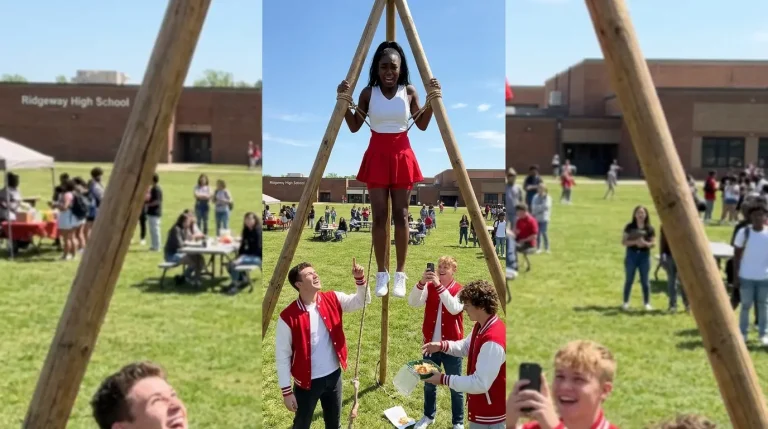 NEW The Bullies Refused to Listen as He Begged Them to Stop at the Picnic, But What They Did Next Left the Whole School Furious
The Bullies Refused to Listen as He Begged Them to Stop at the Picnic, But What They Did Next Left the Whole School Furious
 NEW A Cocky Champion Mocked a Quiet Woman in Front of 800 Fans, Never Expecting One Move to Change Everything
A Cocky Champion Mocked a Quiet Woman in Front of 800 Fans, Never Expecting One Move to Change Everything
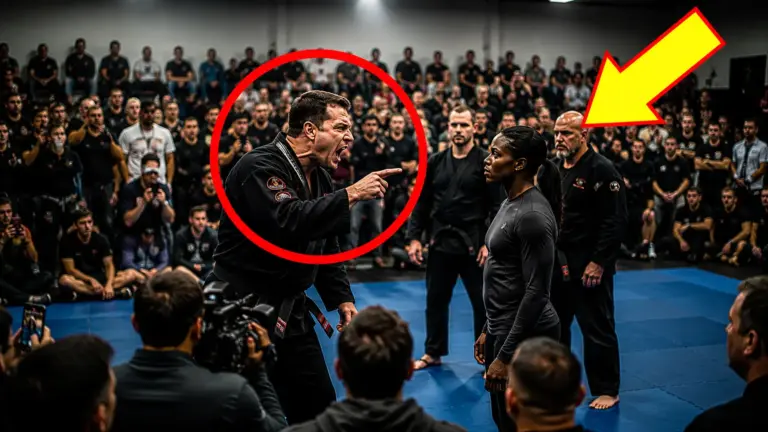 NEW In Front of 600 Fans, an Arrogant Black Belt Underestimated a Quiet Black Woman, Never Expecting His Confidence to Crumble
In Front of 600 Fans, an Arrogant Black Belt Underestimated a Quiet Black Woman, Never Expecting His Confidence to Crumble
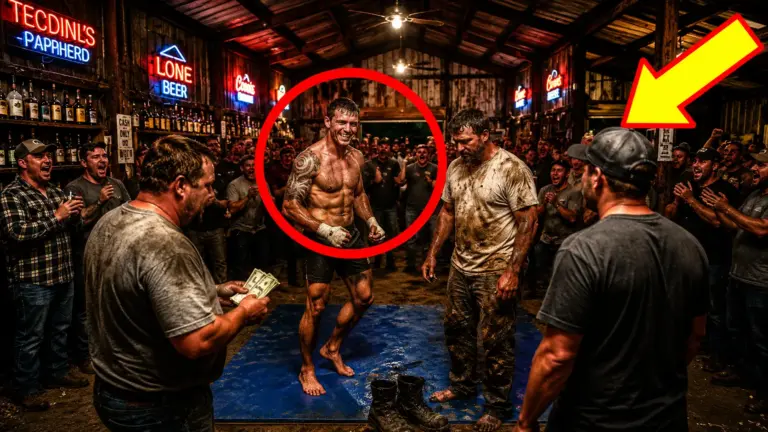 NEW A Confident Fighter Challenged a Farmer to Last Three Minutes for $500, But He Was Stunned When the Farmer Accepted
A Confident Fighter Challenged a Farmer to Last Three Minutes for $500, But He Was Stunned When the Farmer Accepted
 NEW An Arrogant Fighter Offered a Farmer $500 to Last Three Minutes, Never Expecting Him to Accept the Challenge
An Arrogant Fighter Offered a Farmer $500 to Last Three Minutes, Never Expecting Him to Accept the Challenge
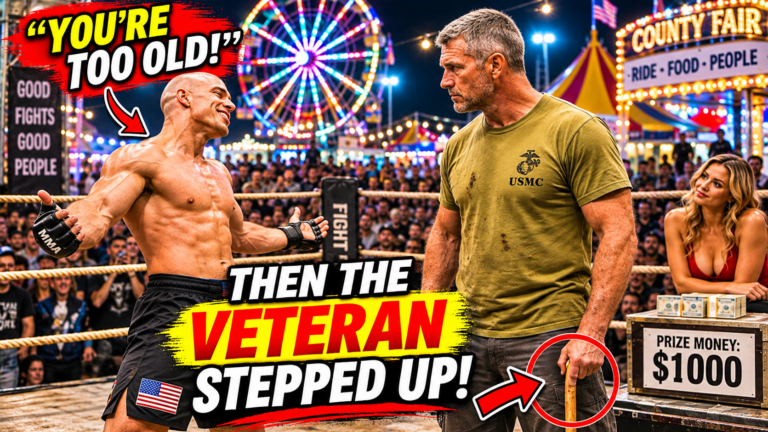 NEW He Thought No Farmer Would Dare Accept His $500 Challenge, Until the Man Agreed to Last Three Minutes
He Thought No Farmer Would Dare Accept His $500 Challenge, Until the Man Agreed to Last Three Minutes
NEW The Quiet Black Woman Was Underestimated by a Cocky Black Belt, But His Smug Grin Disappeared in Front of 600 Fans
The Quiet Black Woman Was Underestimated by a Cocky Black Belt, But His Smug Grin Disappeared in Front of 600 Fans
 NEW He Thought Humiliating a Quiet Black Woman Would Be Easy, Until the Arrogant Black Belt Lost His Smile Before 600 Fans
He Thought Humiliating a Quiet Black Woman Would Be Easy, Until the Arrogant Black Belt Lost His Smile Before 600 Fans