The Black Janitor Seemed Like an Easy Opponent, Until the Arrogant Boxer Discovered He Had Once Been a Boxing Champion
Part 49
All parts
Choose a chapter- 1Part 1
- 2Part 2
- 3Part 3♙
- 4Part 4
- 5Part 5
- 6Part 6♙
- 7Part 7
- 8Part 8
- 9Part 9♙
- 10Part 10
- 11Part 11
- 12Part 12♙
- 13Part 13
- 14Part 14
- 15Part 15♙
- 16Part 16
- 17Part 17
- 18Part 18♙
- 19Part 19
- 20Part 20
- 21Part 21♙
- 22Part 22
- 23Part 23
- 24Part 24♙
- 25Part 25
- 26Part 26
- 27Part 27♙
- 28Part 28
- 29Part 29
- 30Part 30♙
- 31Part 31
- 32Part 32
- 33Part 33♙
- 34Part 34
- 35Part 35
- 36Part 36♙
- 37Part 37
- 38Part 38
- 39Part 39♙
- 40Part 40
- 41Part 41
- 42Part 42♙
- 43Part 43
- 44Part 44
- 45Part 45♙
- 46Part 46
- 47Part 47
- 48Part 48♙
- 49Part 49
Part 49 / 49
Martin liked that.
Frank emerged from the office holding a birthday card signed by the staff. The card contained no grand declarations about legends or heroes. There were ordinary messages from people who knew him: thanks for fixing a shelf, for listening after a difficult day, for remembering a child’s name, for teaching the difference between confidence and cruelty.
He read each note slowly.
“Thank you,” he said.
Then he placed the card in his bag and helped Sarah carry a box of cones to the far side of the room. She objected gently that he had come to celebrate, not work. Martin smiled.
“It’s light,” he said. “And I like being useful.”
The children began arriving, bringing the restless energy of a Saturday morning. Some were frightened; some were overconfident; some simply wanted a place to belong. They greeted the staff by name. They put away their bags, washed their hands, and waited for instructions.
Near the entrance a little boy accidentally knocked over a water bottle. It rolled across the floor and stopped beside Eli’s cleaning cart. The boy looked worried and began to apologize.
Tyler reached for a towel.
“It’s okay,” he said. “We’ll clean it up together.”
No one laughed. No camera appeared. The spill was wiped away, the towel was placed in the laundry basket, and the boy returned to his class.
Martin watched from a bench beside the ring. He remembered the evening a bottle had spilled at his feet and a man had turned it into an excuse to hurt him. He remembered the wall against his back, the raised fist, and the silence of a room waiting to see what would happen. He did not cherish the memory. He was grateful that the gym no longer needed it to understand what should happen next.
Nia arrived with Lena just before the class began. She ran across the room and hugged him, careful of his sore shoulder.
“Happy birthday, Grandpa.”
“Thank you, baby.”
“Are you going to teach today?”
“A little.”
“Can I help?”
“Of course. Ask Sarah what she needs.”
Nia went to the coach and offered to organize the practice cards. Martin watched her move through the room with easy confidence, familiar with the people and the rules and the knowledge that she belonged. He thought of Celia, who would have loved seeing their granddaughter help children learn.
He had once believed that the best legacy a fighter could leave was a title, a record, or a photograph taken under bright lights. He had carried those things through his life, but the years had taught him to value other evidence: a student who returned after a difficult day, a young man who learned to apologize without demanding forgiveness, an employer who listened when an employee said something was unsafe, a room full of people who knew how to help when an ordinary accident happened.
Martin rose from the bench when Sarah called the class to order. His joints ached. His hands were not as steady as they once had been. He knew there were movements he would never perform again, and he no longer needed to pretend otherwise.
He stepped toward the children and began speaking.
“Before we learn anything about throwing a punch,” he said, “we’re going to learn how to take care of one another.”
The students listened.
Outside, the city continued its ordinary day. Buses stopped. Shops opened. People went to work. Nobody watching the street could tell that inside an old boxing gym a former champion was teaching children the most important lesson he’d learned across nearly seven decades.
And that was exactly how Martin wanted it.
THE END
More Stories
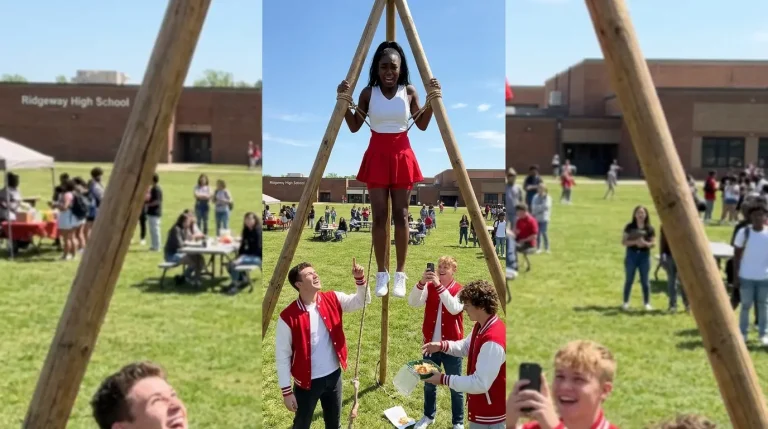 NEW The Bullies Refused to Listen as He Begged Them to Stop at the Picnic, But What They Did Next Left the Whole School Furious
The Bullies Refused to Listen as He Begged Them to Stop at the Picnic, But What They Did Next Left the Whole School Furious
 NEW A Cocky Champion Mocked a Quiet Woman in Front of 800 Fans, Never Expecting One Move to Change Everything
A Cocky Champion Mocked a Quiet Woman in Front of 800 Fans, Never Expecting One Move to Change Everything
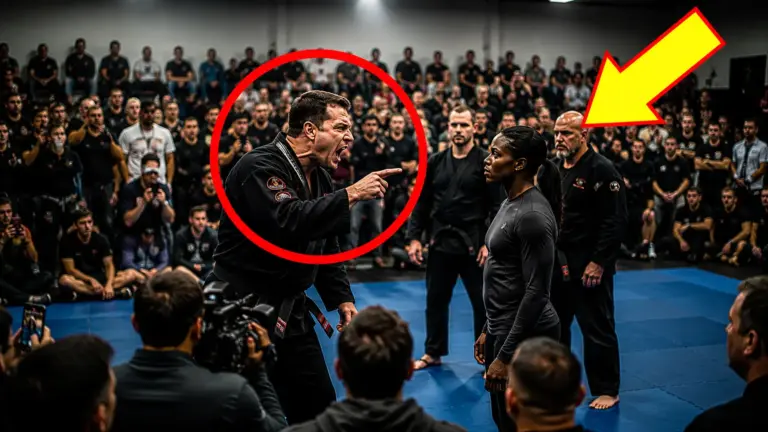 NEW In Front of 600 Fans, an Arrogant Black Belt Underestimated a Quiet Black Woman, Never Expecting His Confidence to Crumble
In Front of 600 Fans, an Arrogant Black Belt Underestimated a Quiet Black Woman, Never Expecting His Confidence to Crumble
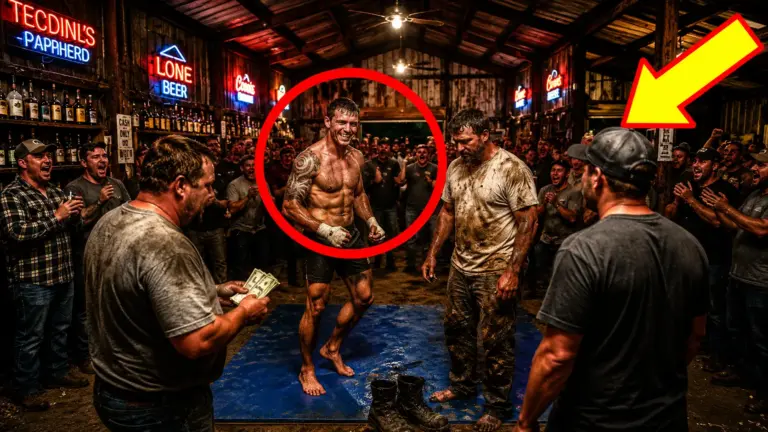 NEW A Confident Fighter Challenged a Farmer to Last Three Minutes for $500, But He Was Stunned When the Farmer Accepted
A Confident Fighter Challenged a Farmer to Last Three Minutes for $500, But He Was Stunned When the Farmer Accepted
 NEW An Arrogant Fighter Offered a Farmer $500 to Last Three Minutes, Never Expecting Him to Accept the Challenge
An Arrogant Fighter Offered a Farmer $500 to Last Three Minutes, Never Expecting Him to Accept the Challenge
 NEW He Thought No Farmer Would Dare Accept His $500 Challenge, Until the Man Agreed to Last Three Minutes
He Thought No Farmer Would Dare Accept His $500 Challenge, Until the Man Agreed to Last Three Minutes
NEW The Quiet Black Woman Was Underestimated by a Cocky Black Belt, But His Smug Grin Disappeared in Front of 600 Fans
The Quiet Black Woman Was Underestimated by a Cocky Black Belt, But His Smug Grin Disappeared in Front of 600 Fans
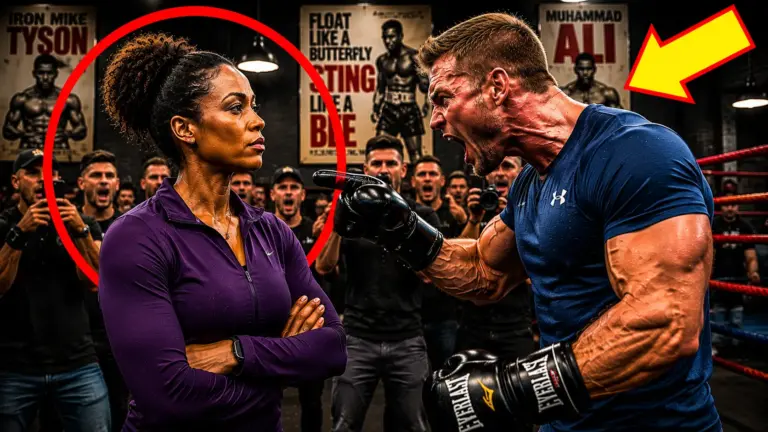 NEW He Thought Humiliating a Quiet Black Woman Would Be Easy, Until the Arrogant Black Belt Lost His Smile Before 600 Fans
He Thought Humiliating a Quiet Black Woman Would Be Easy, Until the Arrogant Black Belt Lost His Smile Before 600 Fans